Overview
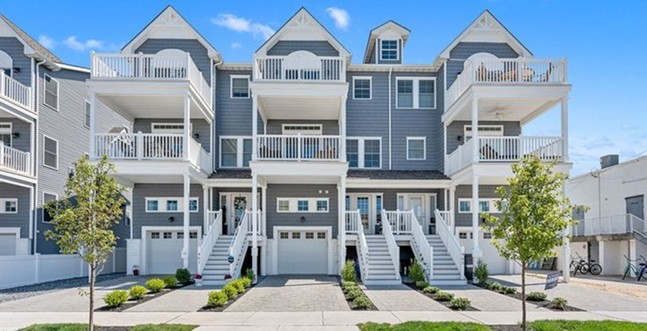
A recently completed multi-building residential complex began showing signs of significant construction-related failures within two years of completion. The property, consisting of eight three-story condominium buildings, suffered widespread water intrusion, stucco cracking, roof leaks, and premature deterioration of structural framing components. The claim involved complex causation issues, multiple contractors and subcontractors, and potential product failures that required a coordinated technical investigation.
Total estimated repair costs exceeded $12 million, and several insurance carriers were involved under both Builder's Risk and General Liability coverages.
Challenge
The primary challenge was determining the cause and responsibility for the reported damages. The symptoms included water intrusion through windows, deck systems, and stucco assemblies — but liability was disputed among multiple trades, including framing, roofing, and stucco subcontractors.
Complicating factors included:
- Incomplete as-built documentation, making it difficult to verify design compliance.
- Overlapping coverage periods between the developer's Builder's Risk and subcontractor General Liability policies.
- Multiple insured parties represented by different carriers, each disputing their share of responsibility.
- The need for a unified scope and cost estimate to support equitable allocation and settlement discussions.
Parker Loss Consultants (PLC) was retained by the lead insurance carrier to conduct a comprehensive forensic assessment and provide construction consulting expertise to assist in claim resolution.
Our team performed the following:
- On-site investigations including moisture mapping, destructive testing, and detailed photo documentation of affected assemblies.
- Material sampling and laboratory testing to identify workmanship versus product-related defects.
- Reconstruction of project chronology using permit records, contractor invoices, and city inspection reports.
- Development of a detailed, trade-specific scope and cost estimate, identifying repair requirements and assigning responsibility based on construction sequencing.
- Facilitation of multi-party meetings among insurers, defense counsel, and experts to review findings and negotiate repair allocations.
By leveraging both engineering data and construction cost modeling, PLC helped clarify cause, effect, and proportionate responsibility across multiple parties.
Results
PLC's technical analysis and objective reporting provided a clear foundation for equitable claim resolution. Key outcomes included:
- Liability clarity: Defect causation was separated into workmanship, design, and material failure categories, supported by forensic documentation.
- Cost allocation agreement: Participating carriers reached consensus on their respective indemnity obligations without requiring litigation.
- Repair completion efficiency: The approved scope allowed the insured to begin remediation promptly, minimizing tenant displacement and additional damages.
- Claim resolution savings: The matter was settled through negotiation, avoiding extensive litigation and expert testimony costs.
Back to All Case Studies